Aug. 12, 2026
What Causes Spherical Aberration and How Can It Be Reduced?
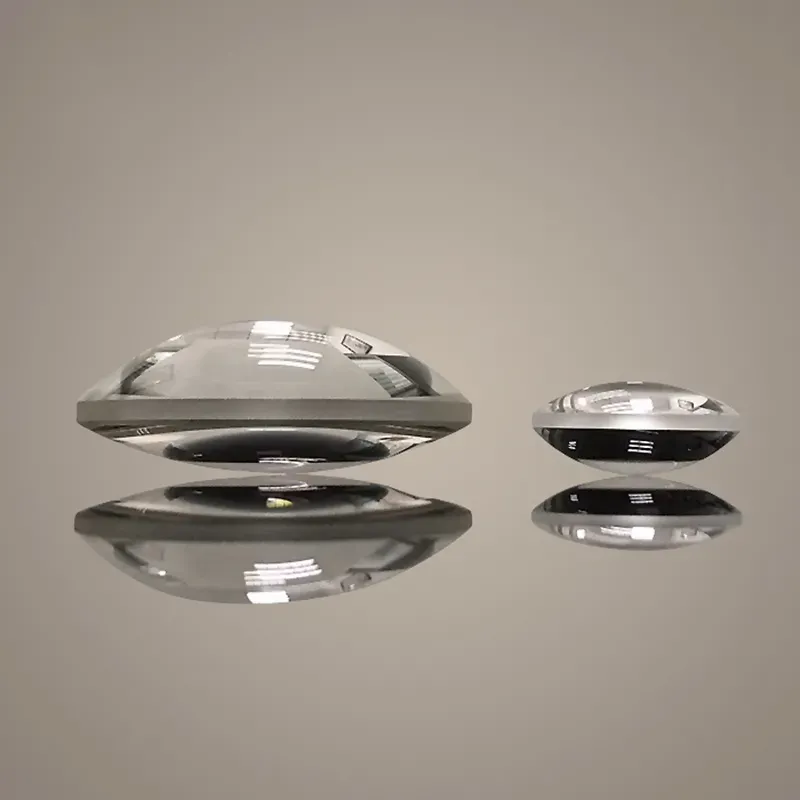
Spherical aberration is an optical defect caused when light rays passing through the center and edge of a lens focus at different distances instead of at one common focal point. It can make an image look soft, reduce contrast, and lower measurement accuracy. For businesses using cameras, machine vision systems, microscopes, laser equipment, or imaging modules, controlling spherical aberration
Learn More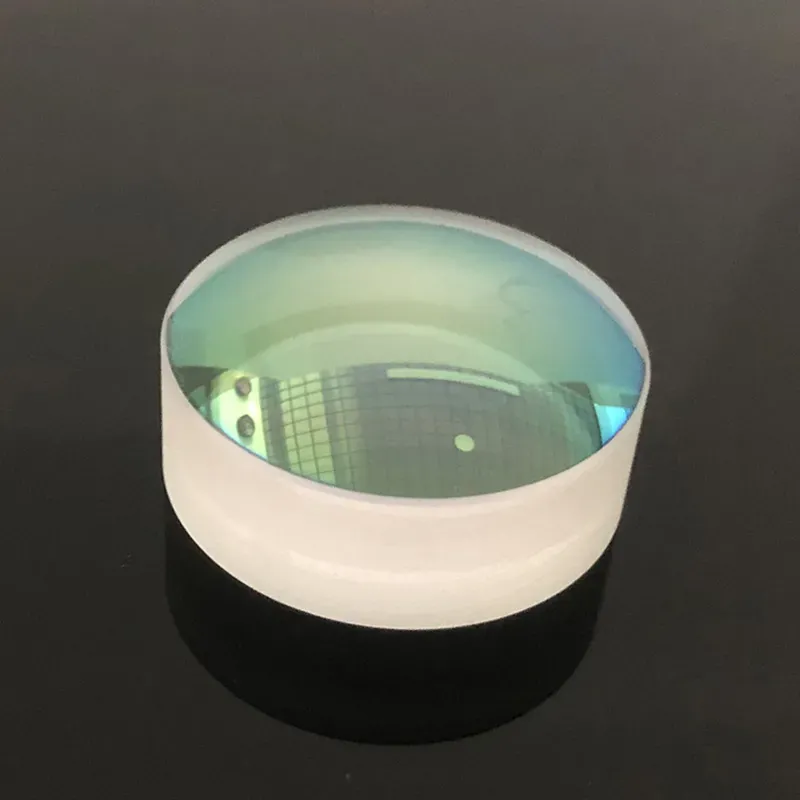
Aug. 12, 2026
Achromatic Doublet vs. Aspheric Lens for Broadband Imaging
Choosing between an achromatic doublet and an aspheric lens for broadband imaging is rarely a simple matter of selecting the lens with the highest numerical aperture or the lowest price. The correct choice depends on spectral range, field of view, sensor format, working distance, image uniformity, environmental stability, and the amount of residual aberration that the system can tolerate.
Learn More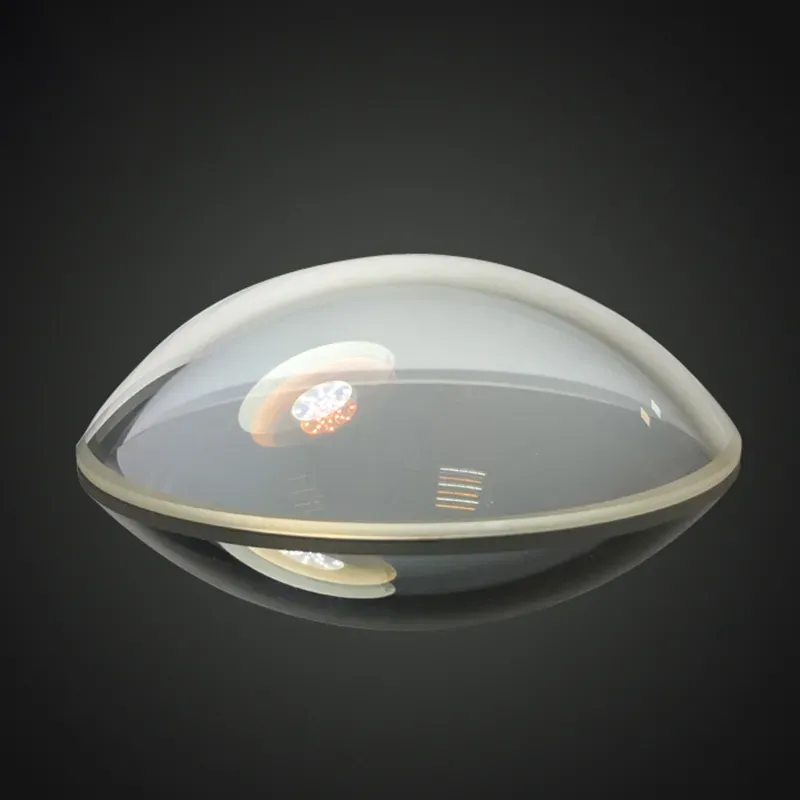
Aug. 12, 2026
Single-Layer MgF₂ vs. Broadband AR Coatings
Choosing between a single-layer MgF₂ coating for spherical lens and a broadband AR coating for visible optics affects transmission, ghost images, color accuracy, durability, and cost. This comparison is especially relevant when selecting an optical spherical lens manufacturer for cameras, machine-vision systems, laser assemblies, telescopes, or illumination optics. The decision depends on the
Learn More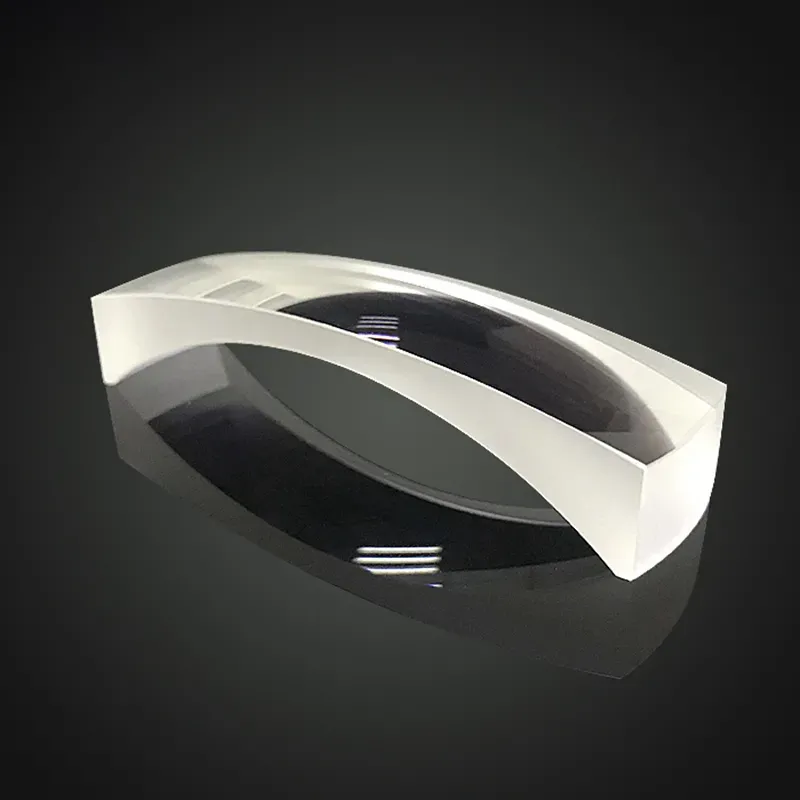
Aug. 12, 2026
CaF₂ vs. Fused Silica for UV Optical Systems
For an optical spherical lens manufacturer, choosing between CaF2 and fused silica is not simply a matter of comparing ultraviolet transmission. The correct material depends on wavelength, thermal load, environmental exposure, optical power, mechanical design, coating requirements, service life, and total system cost.
Learn More
Aug. 11, 2026
What Is a Plano-Concave Lens Used For in Laser Systems?
A plano-concave lens is a negative focal-length lens with one flat surface and one inward-curved surface. In laser systems, it is primarily used to diverge a collimated beam, expand the beam diameter, control beam propagation, or compensate for positive optical power. For manufacturers and integrators, selecting the correct plano-concave lens improves beam uniformity, protects downstream
Learn More
Aug. 11, 2026
Which Side of a Plano-Convex Lens Should Face the Light Source?
If you are asking which side of a plano-convex lens should face the light source, the practical rule is simple: for a collimated beam being focused to a point, place the curved surface toward the incoming light and the flat surface toward the focus. This plano-convex lens orientation for collimated light usually reduces spherical aberration compared with reversing the lens. It is also the usual
Learn More
Aug. 11, 2026
How to Select an AR Coating for a 1064 nm Laser Lens
Selecting the correct anti-reflective (AR) coating for a 1064 nm laser lens becomes much simpler when you follow a defined process: identify the laser conditions, confirm the substrate, specify the operating angle and polarization, compare coating performance, and request documented inspection data. In this guide, I explain how we at Sunday Optics, an experienced optical spherical lens
Learn More
Aug. 11, 2026
Can a Plano-Convex Lens Be Used for Imaging Applications?
A Spherical Lens can be used for imaging, but a plano-convex lens is only a practical choice when the required image quality, field size, and numerical aperture are compatible with its single curved surface. This guide explains how to select a plano-convex lens for imaging applications, determine the best lens orientation for collimated light, and choose focal length for an imaging system. The
Learn More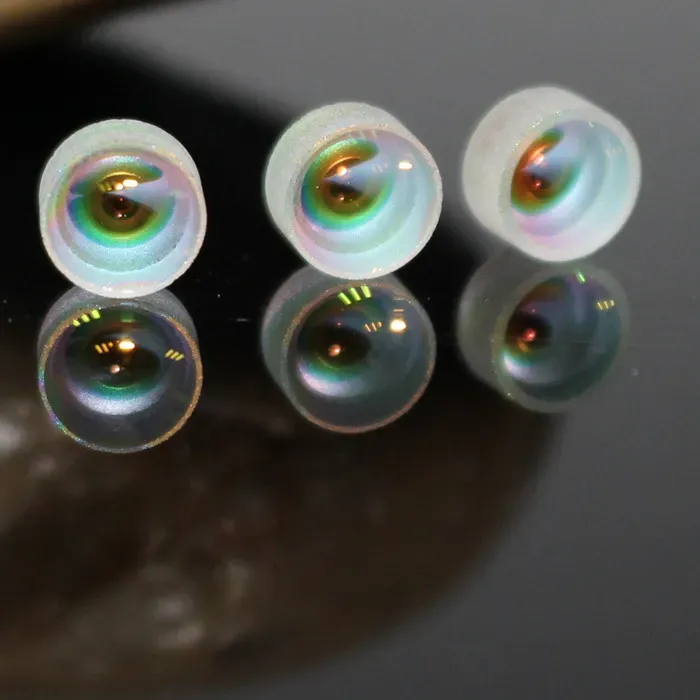
Aug. 11, 2026
Positive vs. Negative Focal Length: What Does It Mean in Optical Lenses?
When comparing a Spherical Lens, the words “positive focal length” and “negative focal length” describe how the lens changes the direction of light—not whether the lens is better or worse. A positive focal length belongs to a converging lens, while a negative focal length belongs to a diverging lens. Understanding optical power, vergence, and diopter values helps buyers answer practical
Learn More
Aug. 10, 2026
BK7 vs. Fused Silica Plano-Convex Lenses: Key Differences
Choosing between a Spherical Lens made from BK7 and one made from fused silica can determine whether an optical system stays stable or drifts during operation. Engineers comparing BK7 vs fused silica plano-convex lenses, searching for the best PCX lens for laser focusing, or evaluating a UV-compatible plano-convex lens usually ask the same questions: Which material transmits the required
Learn More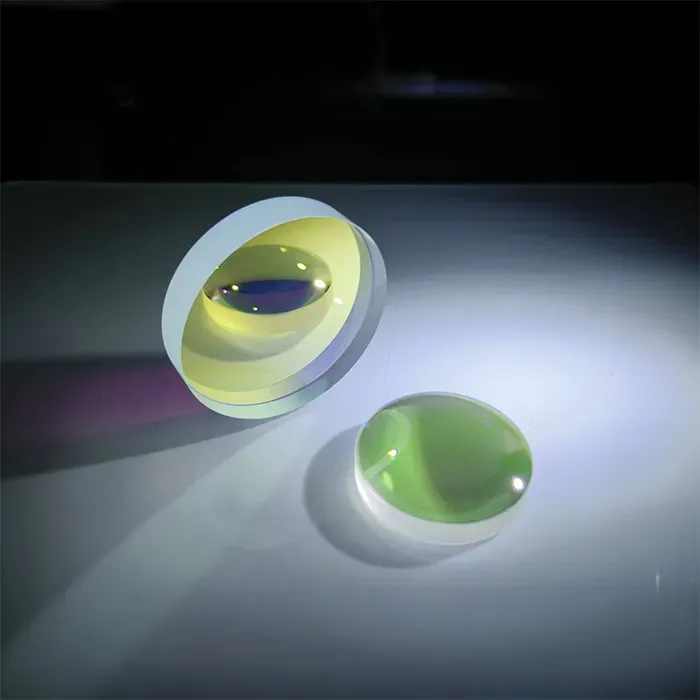
Aug. 10, 2026
Positive vs. Negative Achromatic Doublets: Applications and Differences
Choosing between a positive achromatic doublet lens for imaging, a negative achromatic doublet lens for beam expansion, and an achromatic doublet lens manufacturer can determine whether an optical system delivers sharp images or frustrating blur. Unlike a basic Spherical Lens, an achromat manages chromatic aberration through deliberate optical design. Its performance depends on broadband imaging
Learn More
Aug. 10, 2026
Plano-Convex vs. Bi-Convex Lens: Which One Should You Choose?
Choosing between a plano-convex lens and a bi-convex lens depends on more than focal length and price. Buyers also need to consider image quality, beam deviation, working distance, alignment sensitivity, wavelength, aperture, coating, mounting stability, and the practical behavior of the complete optical system.
Learn MoreHot Products


