
Aug. 20, 2026
Equal-Radius vs. Unequal-Radius Bi-Convex Lenses
Choosing the right Spherical Lens is not simply a matter of selecting a larger diameter or shorter focal length. Designers comparing an equal-radius bi-convex lens, an unequal-radius bi-convex lens, and a custom solution from an optical spherical lens manufacturer must consider the radius of curvature, refractive index, and lensmaker’s equation.
Learn More
Aug. 20, 2026
How Lens Diameter, Focal Length, and F-Number Affect Spot Size
When a focused beam produces a spot larger than expected, the cause is usually not mysterious: a Spherical Lens may have the wrong aperture, the focal length may not match the working distance, or diffraction may be limiting the result. This guide explains spherical lens spot size calculation, the relationship between lens diameter, focal length, a
Learn More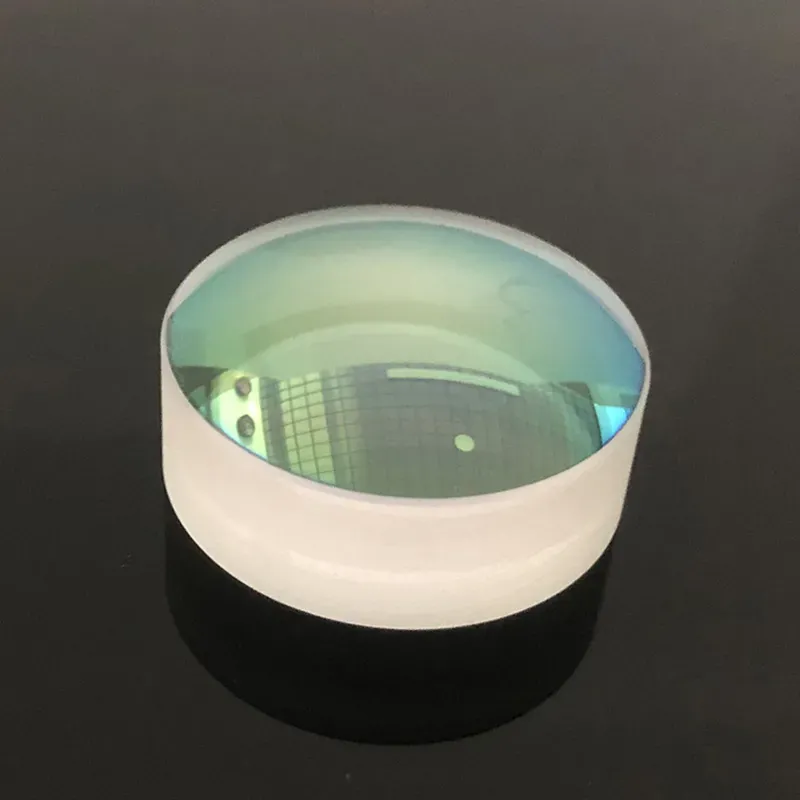
Aug. 19, 2026
Germanium vs. Silicon vs. ZnSe: Choosing an Infrared Lens Material
Choosing the right infrared lens material affects image quality, system size, battery life, thermal stability, durability, and total ownership cost. Germanium, silicon, and zinc selenide, commonly called ZnSe, are all widely used for infrared optics, but they are not interchangeable.
Learn More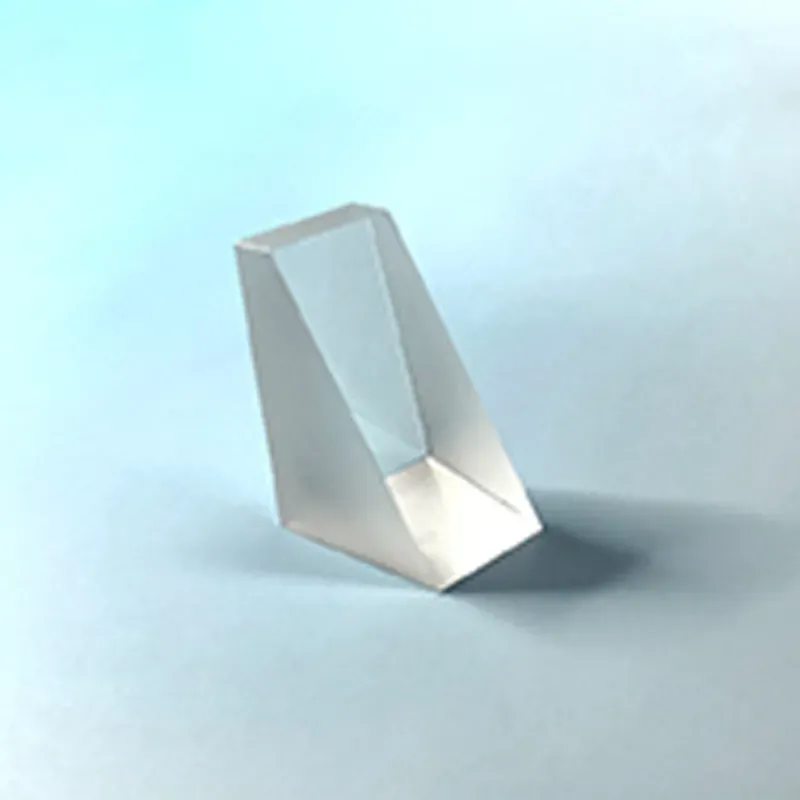
Aug. 19, 2026
How to Match Optical Lens Material to UV, Visible, and IR Wavelengths
Choosing a Spherical Lens for UV, visible, or infrared work is not simply a matter of selecting the clearest glass. The correct choice depends on the wavelength range, optical transmission, refractive index, absorption coefficient, operating temperature, coating, and beam power. Engineers searching for an optical spherical lens manufacturer, a UV visible IR spherical lens selection guide, or a
Learn More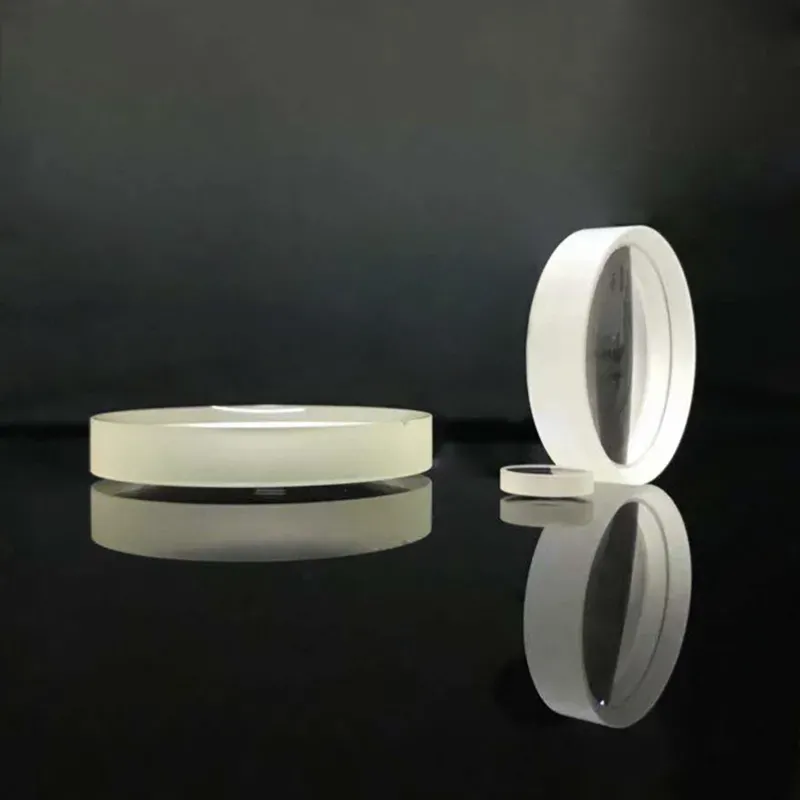
Aug. 18, 2026
How Do Meniscus Lenses Reduce Spherical Aberration?
If you are trying to improve image sharpness without moving directly to an expensive aspheric design, I recommend a practical process: identify the aperture and wavelength, choose the correct meniscus orientation, optimize the front and rear radii, and verify performance through MTF and wavefront testing. In this guide, we at Sunday Optics explain How Do Meniscus Lenses Reduce Spherical
Learn More
Aug. 18, 2026
How to Choose the Curvature of a Meniscus Lens
Choosing the correct curvature is essential when you need a meniscus lens to deliver a specific focal length, reduce spherical aberration, or fit inside a compact optical assembly. In this guide, I will show you how to choose the curvature of a meniscus lens step by step, using optical formulas, application requirements, tolerance checks, and supplier verification methods. With support from
Learn More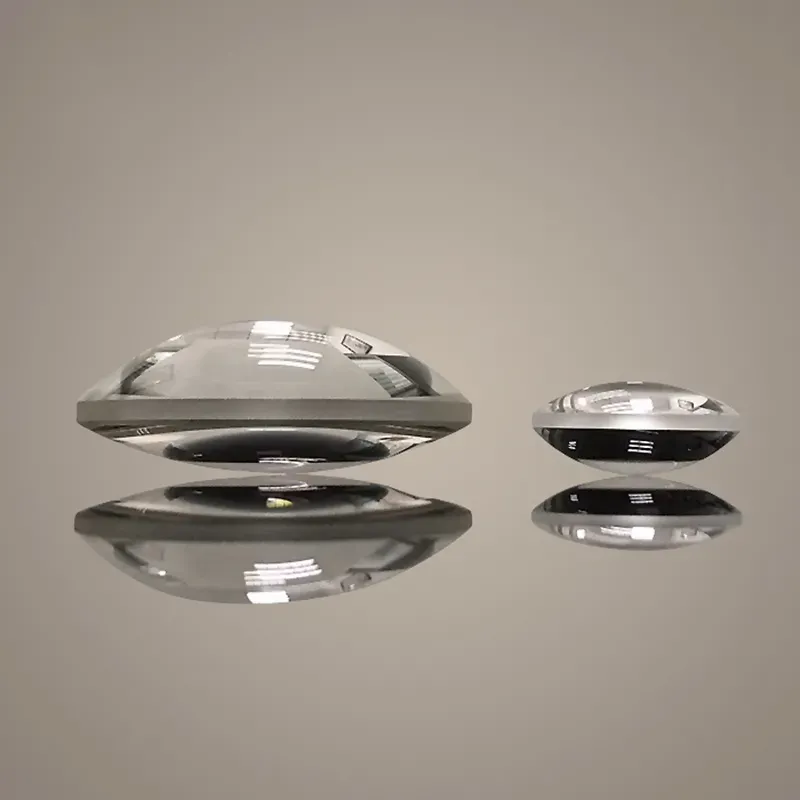
Aug. 17, 2026
How to Select a Meniscus Lens for Infrared and Thermal Imaging
Choosing a Spherical Lens for a thermal camera is not simply a matter of selecting the strongest infrared-transmitting material. A suitable meniscus lens for infrared imaging must match the camera’s wavelength band, focal length, numerical aperture, detector size, temperature range, coating, and mechanical mount. In practice, engineers compare thermal imaging optics, infrared lens materials,
Learn More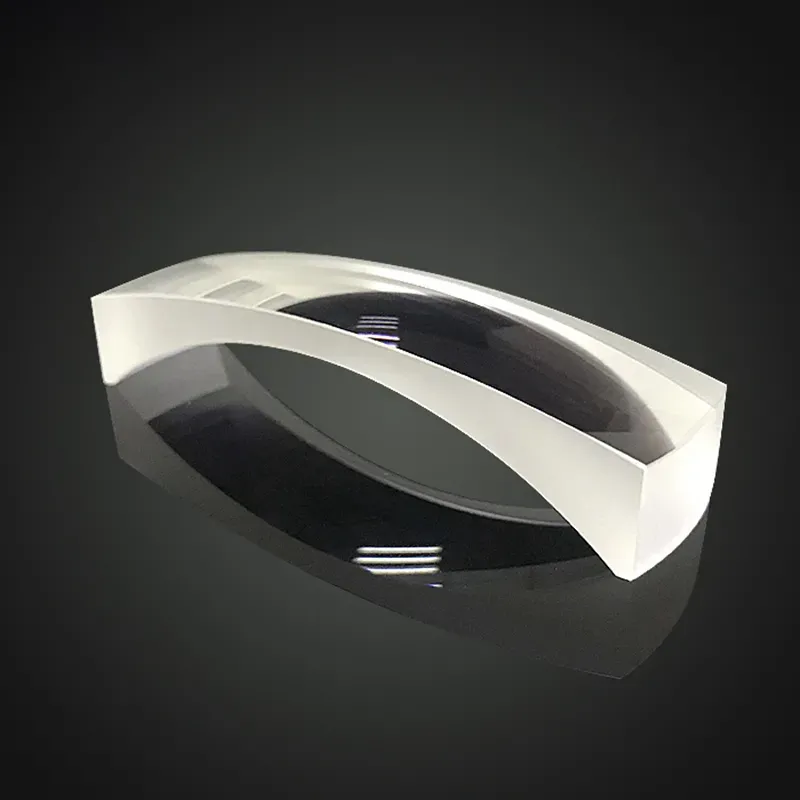
Aug. 17, 2026
How to Choose the Right Negative Focal Length for a Beam Expander
Choosing the correct negative focal length for a beam expander does not need to be complicated. At Sunday Optics, we recommend a simple process: define the required beam expansion ratio, select a compatible positive lens, calculate the negative focal length, verify the lens spacing and clear aperture, and then confirm coating and optical quality requirements. Following these steps helps engineers
Learn More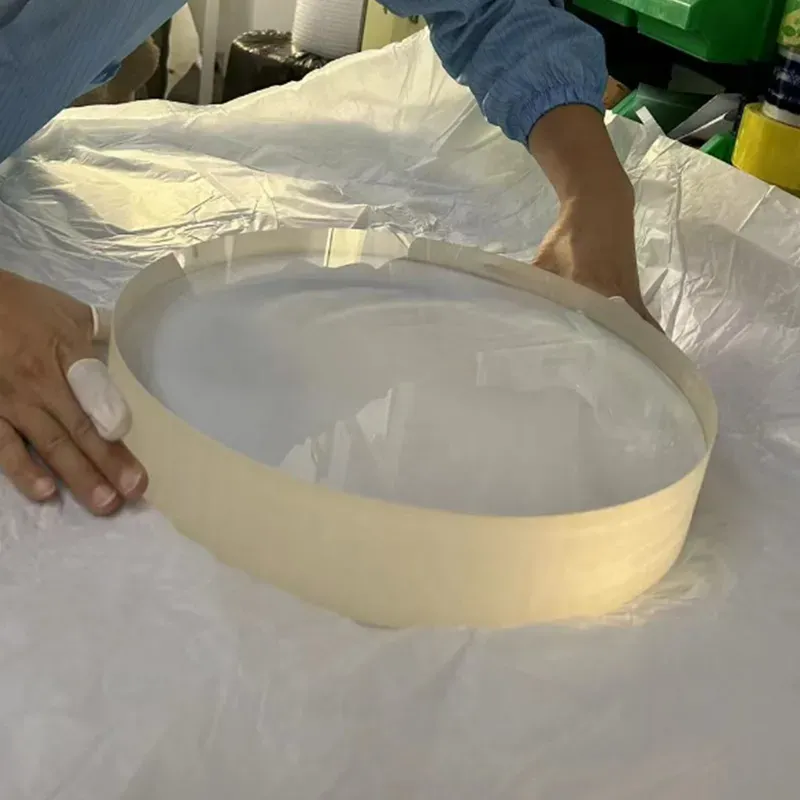
Aug. 14, 2026
Cemented vs. Air-Spaced Achromatic Doublets
When a compact Spherical Lens assembly produces colored edges, focus shifts between blue and red light, or loses contrast after a temperature change, the problem may be the doublet architecture rather than the glass grade alone. Buyers comparing a cemented achromatic doublet vs. air-spaced achromat usually want lower chromatic aberration, stable alignment, and a predictable price for an
Learn More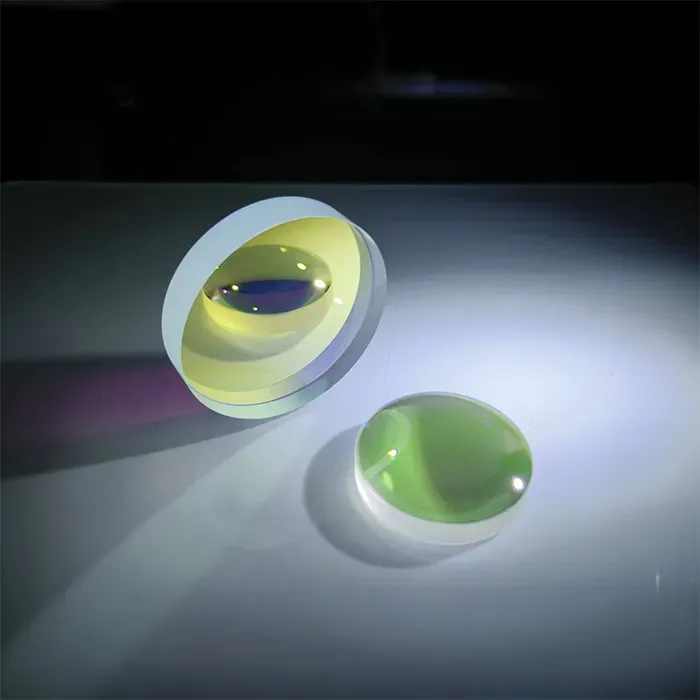
Aug. 14, 2026
What Is a Bi-Concave Lens Used For?
A bi-concave lens, also called a double-concave lens, is an optical element with two inward-curved surfaces. It is thinner at the center and thicker at the edge, so it causes parallel light rays to diverge as if they originated from a virtual focal point. In practical applications, a bi-concave lens is used for beam expansion, laser optics, myopia correction, image reduction, and controlling
Learn More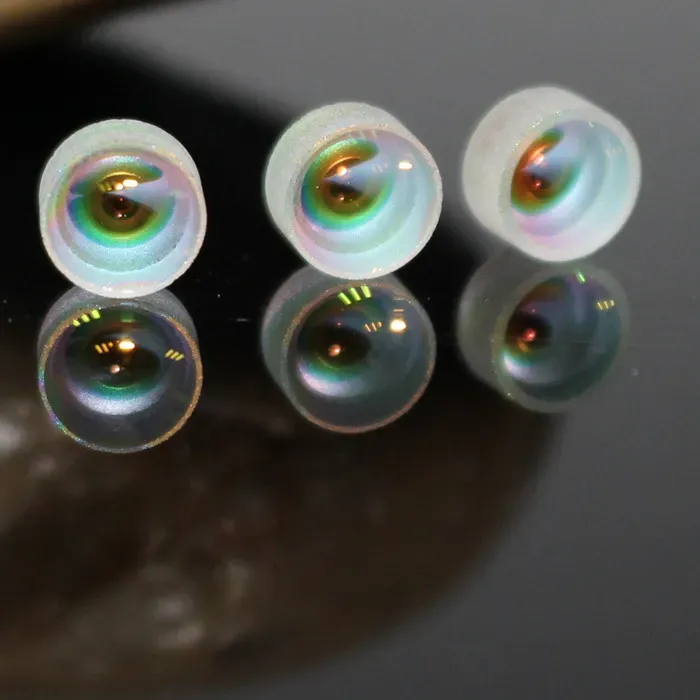
Aug. 13, 2026
Why Are Meniscus Lenses Used in Cameras and Telescopes?
Spherical Lens designs often face a practical compromise: increasing aperture can improve light-gathering power, but it can also increase blur, distortion, and edge softness. A carefully positioned meniscus lens in a camera or telescope can help manage these problems without adding a large number of optical elements. This article explains the role of a meniscus lens in a camera, the design logic
Learn More
Aug. 13, 2026
Positive vs. Negative Meniscus Lenses: What Is the Difference?
Choosing between a positive meniscus lens and a negative meniscus lens is not simply a matter of selecting “stronger” or “better” glass. In a Spherical Lens, the direction of optical power depends on the curvature of the two surfaces, the refractive index, and the sign convention used by the designer. Buyers commonly ask: Is a positive meniscus lens always converging? Does a negative
Learn MoreHot Products


