Oct. 16, 2026
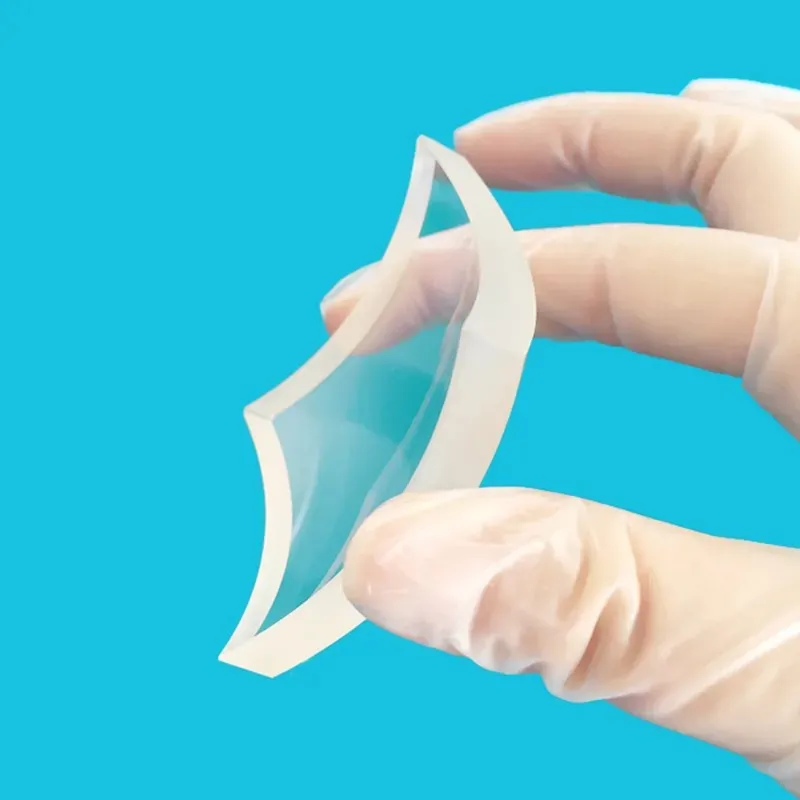
What Is a Cylindrical Lens and How Does It Work?
A reliable cylindrical lens supplier helps engineers control light in one direction instead of focusing it equally in two directions. This makes a custom cylindrical lens supplier useful for optical systems that need a narrow line, a corrected laser beam, or astigmatism control. A cylindrical lens for laser beam shaping can also improve the uniformity of a line projected onto a surface. This
Learn More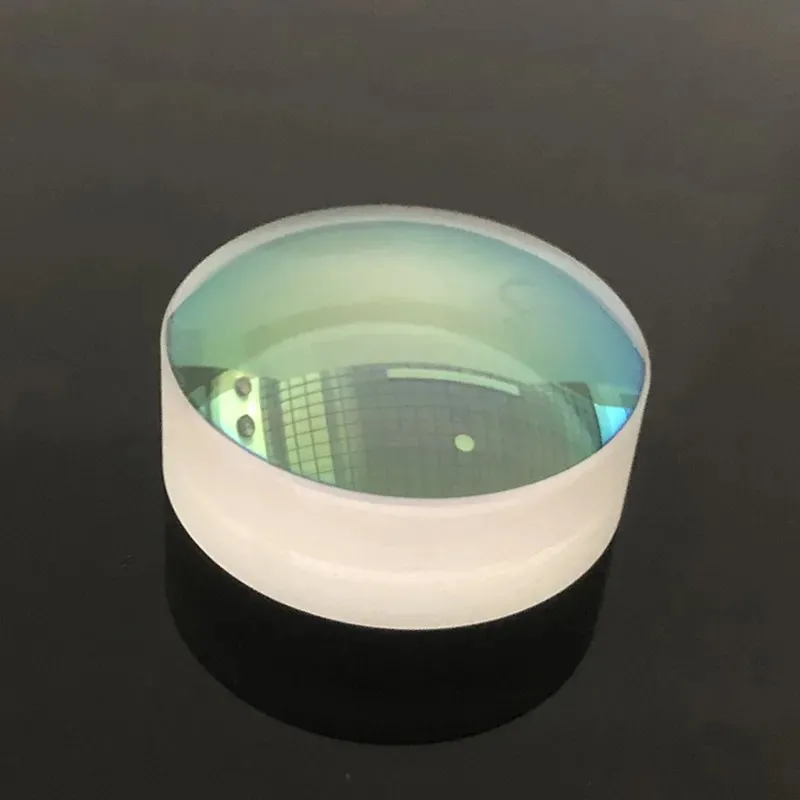
Oct. 15, 2026
How to Choose a Rectangular Cylindrical Lens for Laser Line Generation
Choosing a rectangular cylindrical lens for laser line generation is not simply a matter of selecting the lowest price or the shortest focal length. A machine-vision engineer usually needs to solve three problems at the same time: how to choose a cylindrical lens for a laser line, how to control laser line uniformity, and how to match a laser diode beam-shaping lens to the required working
Learn More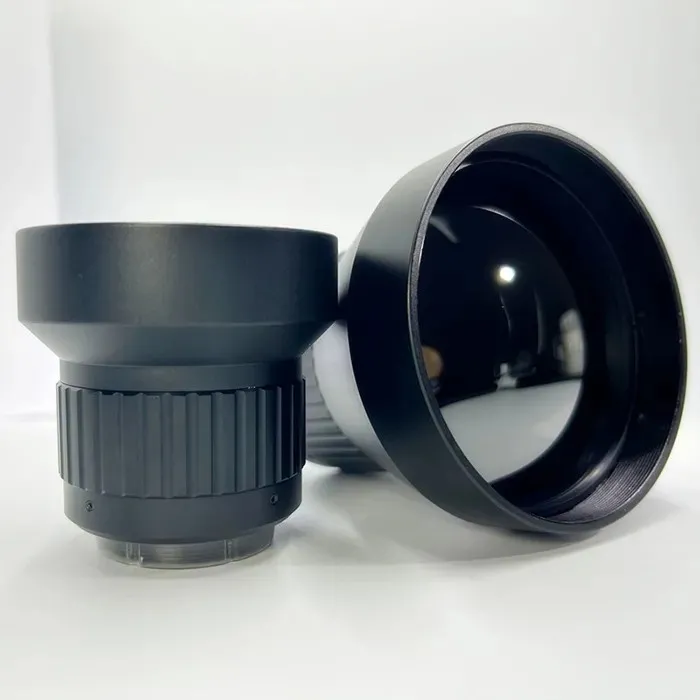
Oct. 14, 2026
Plano-Convex vs. Plano-Concave Cylindrical Lenses
Choosing the right Cylindrical Lens is not simply a matter of selecting a positive or negative focal length. Plano convex and plano concave cylindrical lenses bend light in opposite directions, create different line-focus behavior, and serve different optical purposes. The correct choice depends on whether the application needs line focusing, beam expansion, astigmatism correction, alignment
Learn More
Oct. 13, 2026
How Are Micro Spherical Lenses Used in Endoscopy and Fiber Optics?
A Spherical Lens only a few hundred micrometers to several millimeters in diameter can solve a difficult packaging problem: moving light through a narrow fiber or forming an image inside a limited endoscope tip. In practice, micro spherical lenses for endoscopy focus illumination, collect reflected light, and help create a short optical path, while ball lens fiber coupling improves alignment
Learn More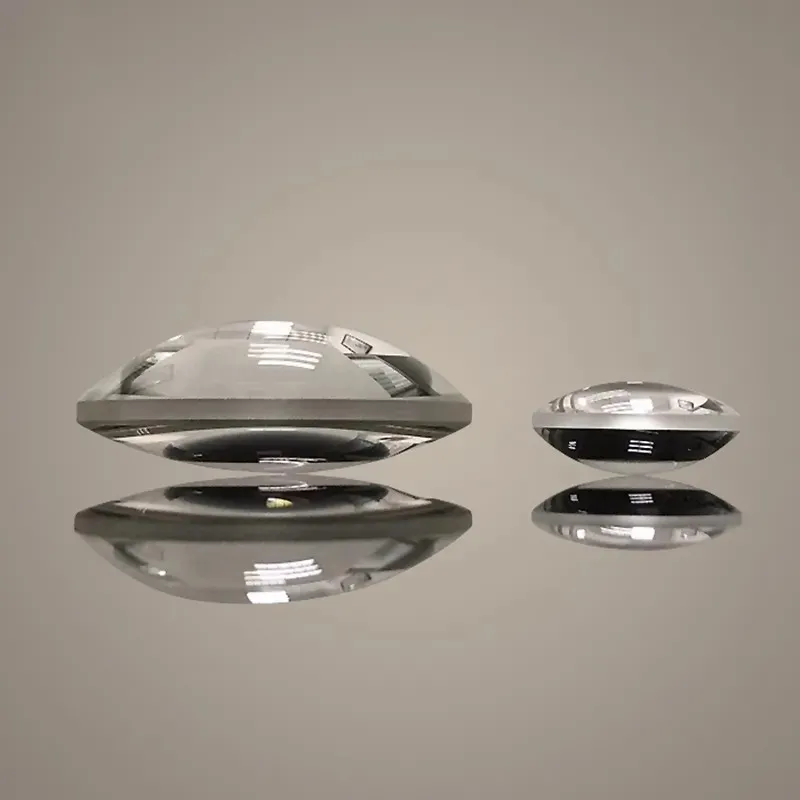
Oct. 12, 2026
Cylindrical Lenses vs. Anamorphic Prisms for Beam Shaping
Choosing between cylindrical lenses vs. anamorphic prisms for beam shaping becomes critical when a laser must form a clean line, correct an elliptical output, or fit a narrow optical path. A qualified cylindrical lens supplier can help answer questions such as “what is the best cylindrical lens for laser line generation?” and “how do I expand an elliptical laser beam?” The decision
Learn More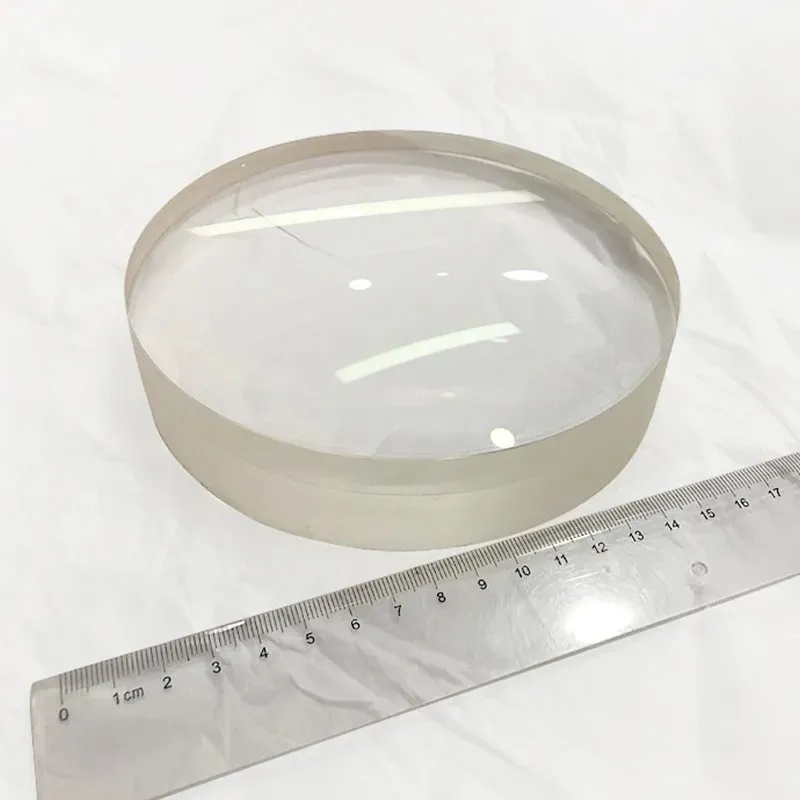
Oct. 12, 2026
How Do Cylindrical Lenses Correct Astigmatism?
If you are comparing a cylindrical lens supplier, trying to understand how cylindrical lenses correct astigmatism, or checking a cylindrical lens for astigmatism prescription, the key is to understand that astigmatism is not corrected by adding the same power in every direction. A cylindrical lens changes focusing power along one principal meridian while leaving the perpendicular meridian
Learn More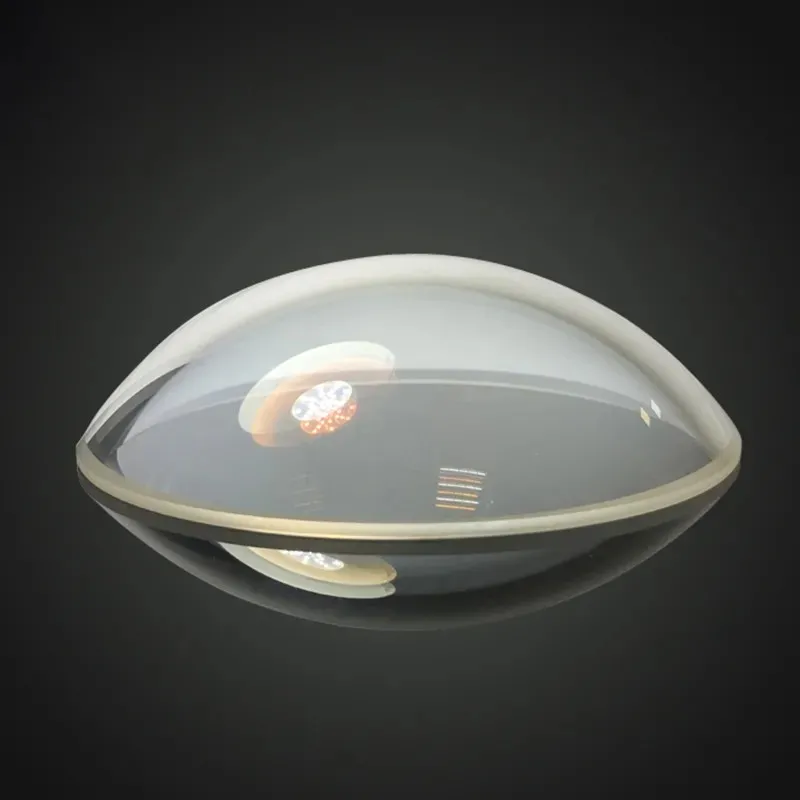
Sep. 18, 2026
What Is a Plano-Convex Lens Used For?
A plano-convex lens is a positive spherical lens with one flat surface and one outward-curved surface. It converges light to a focal point and is commonly used for focusing laser beams, collimating light from point sources, expanding or reducing beam diameter, and imaging objects in optical instruments. For businesses, selecting the correct plano-convex lens can improve optical efficiency, reduce
Learn More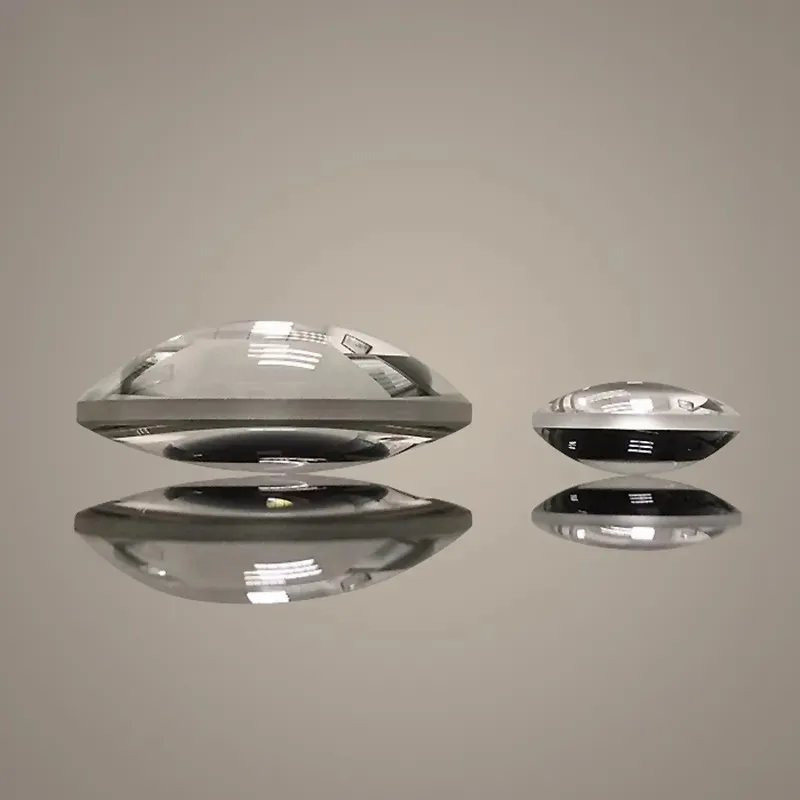
Sep. 17, 2026
How to Choose a Plano-Convex Lens for Laser Collimation
Choosing the correct plano-convex lens for laser collimation does not need to be complicated. At Sunday Optics, we recommend a practical process: define the laser wavelength and beam diameter, calculate the required focal length, select the substrate and AR coating, confirm the damage threshold, and verify optical quality before installation. By following these steps, engineers can achieve a more
Learn More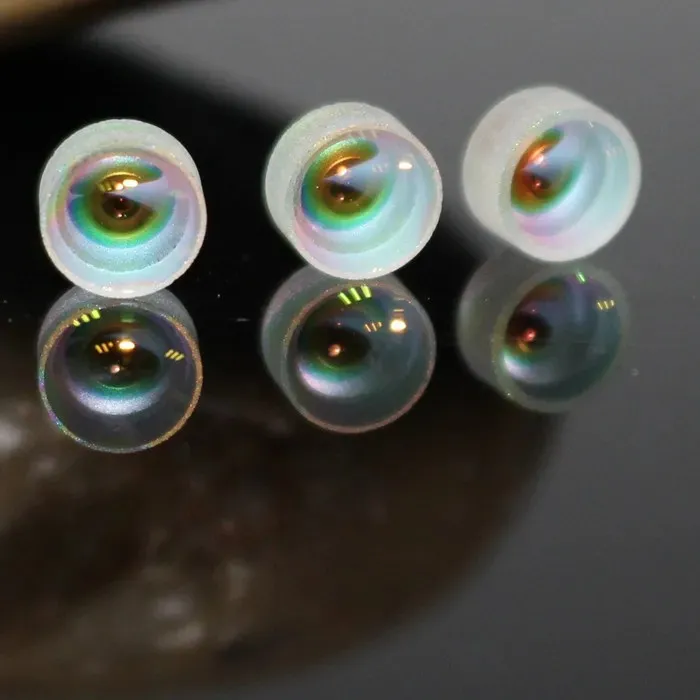
Sep. 16, 2026
N-BK7 vs. Fused Silica Optical Lenses: Which Material Is Better?
Choosing between N-BK7 vs fused silica optical lenses is not simply a matter of selecting the material with the higher price. In a Spherical Lens assembly, the right choice depends on the wavelength band, temperature range, numerical aperture, surface accuracy, and production budget. Engineers comparing the best material for UV optical systems or making a precision spherical lens selection should
Learn More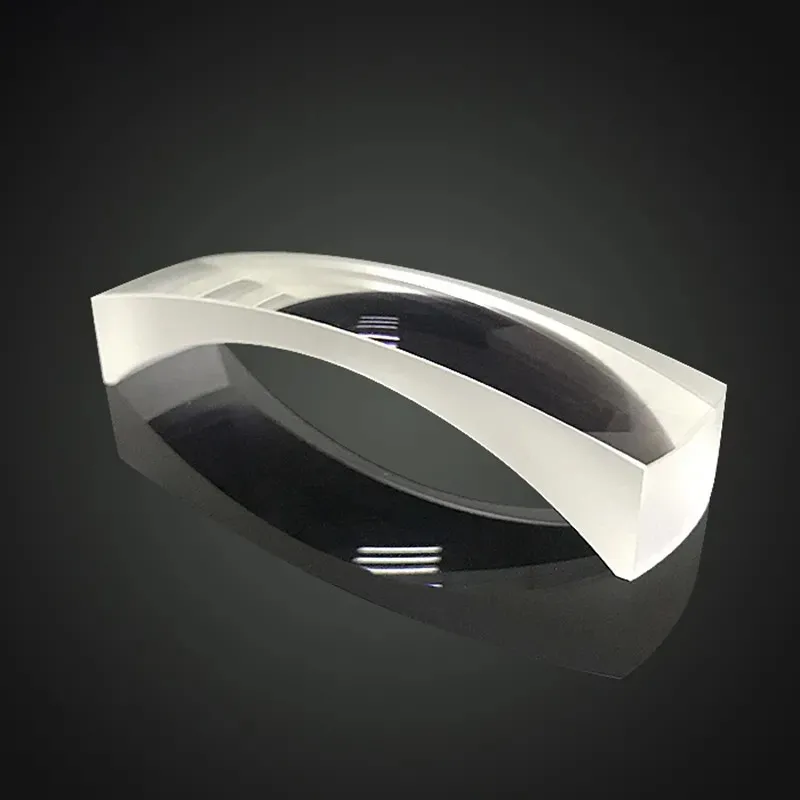
Sep. 15, 2026
Why Are Bi-Convex Lenses Suitable for 1:1 Imaging?
When an optical system must reproduce an object at 1:1 magnification, even a small imbalance between the object distance, image distance, lens curvature, or lens alignment can produce noticeable dimensional error, coma, defocus, and edge distortion. This is not merely a laboratory inconvenience: in machine vision, metrology, semiconductor inspection, and document imaging, an incorrect lens choice
Learn More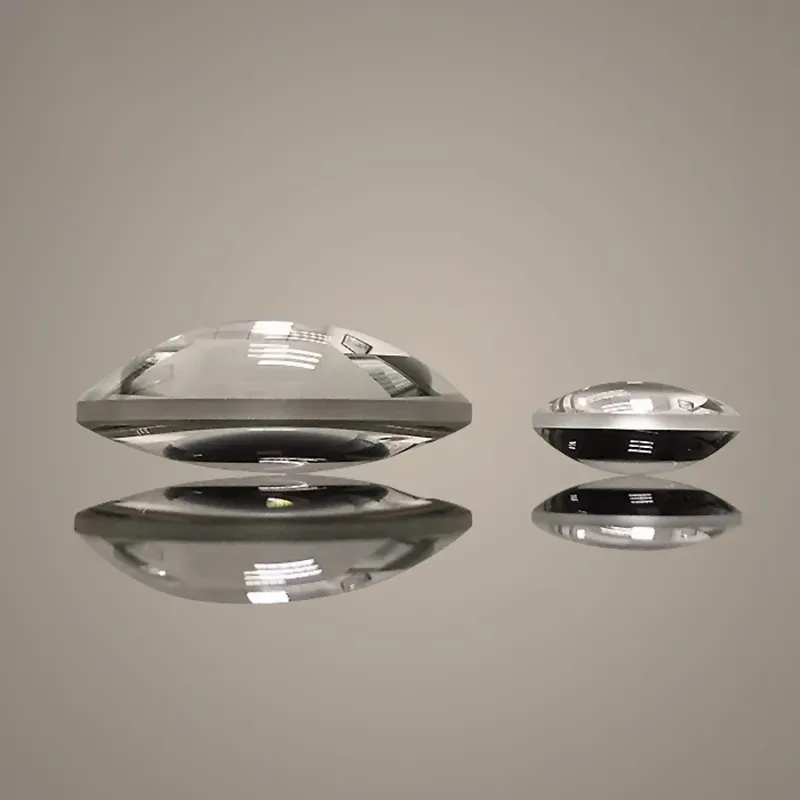
Sep. 11, 2026
Which Way Should a Plano-Concave Lens Face in an Optical System?
Brief summary: Sunday Optics, an optical spherical lens manufacturer, explains that a plano-concave lens is normally installed with its concave surface facing the incoming collimated beam when the goal is to produce a clean, controlled diverging beam. This orientation often reduces spherical aberration compared with placing the plane surface first, but it is not a universal rule. The correct
Learn More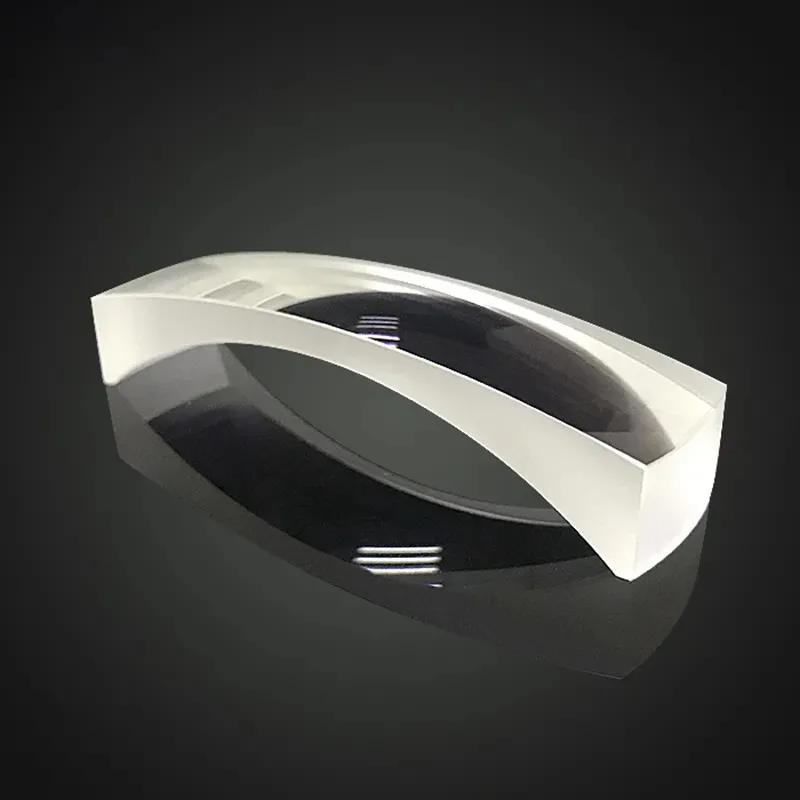
Sep. 10, 2026
What Is a Bi-Convex Lens Used For?
A Spherical Lens bends light through one or two curved surfaces. A bi-convex lens, also called a double-convex lens, has two outward-facing surfaces and is often used to focus or collect light. Engineers may search for a custom bi-convex spherical lens supplier when a standard lens does not match their focal length, coating, or diameter needs. In this guide, we explain what a bi-convex lens is
Learn MoreHot Products


